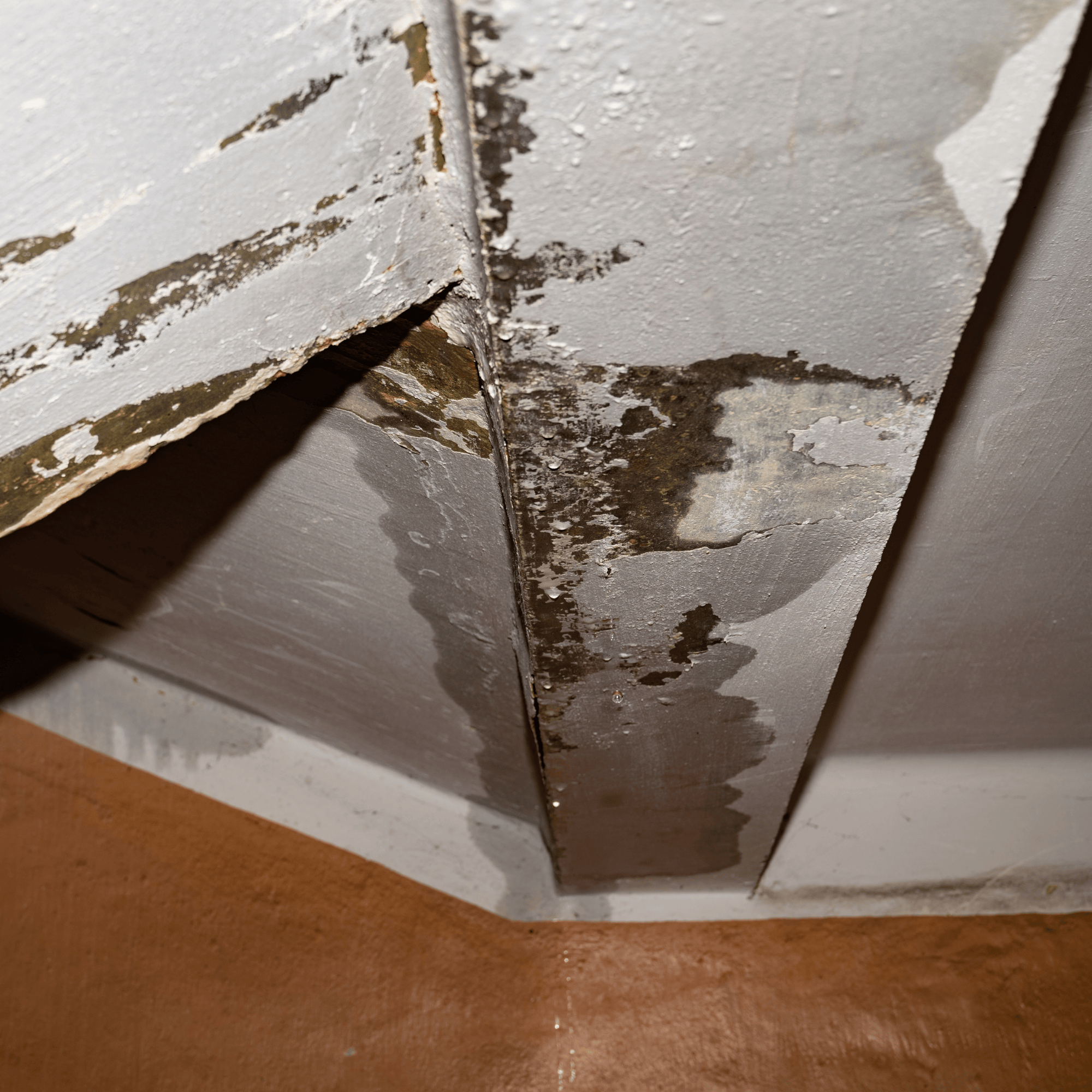


If you are living in a rental property with problems that your landlord has failed to fix, you could make a Housing Disrepair claim.
Naturally, you might wonder how this works from start to finish. Whilst it can sound complicated at first, it’s actually fairly straightforward! Your solicitor will guide you through every stage of your case, and will update you whenever there are developments. You can also contact them at any time should you wish to.
Here are the five stages of making a claim, from your initial enquiry through to the settlement of your claim:
1) Your initial enquiry
You providing a law firm with some information about the disrepair problems affecting your home. Common disrepair problems include things like damp and mould, leaks, faulty heating, broken boilers, damaged windows, and structural problems – but claims can be made for all sorts of issues.
Every law firm has its own process for assessing potential claims, but there are several important things they will usually need to see from you:
- Evidence that your landlord has been notified. You will need to show that you have already told your landlord or letting agent about the disrepair problems. This could include screenshots of messages, copies of emails, letters, or any other type of correspondence. Your landlord must have failed to make the repairs within a “reasonable” time period.
- A copy of your tenancy agreement. You will have to provide a copy of your tenancy agreement – preferably a digital copy although a physical copy can work. This is used to confirm that the person making the claim is the tenant named on the agreement. A claim can only be submitted by the main tenant (or joint tenant) and not a named occupant.
- Evidence of the disrepair itself. Photographs and videos are particularly useful at this stage, and are used by your solicitor to assess if the disrepair is something they can help with. Try to capture the full extent of the problems, including any damage the disrepair has caused to the property or your belongings. The images of the outstanding repairs must show the current condition of the property, and not historical/older images.
Once your chosen law firm has reviewed the information you have provided, they will let you know if they can take on your case. Some law firms (like Pabla & Pabla) will assign your case to one specific solicitor – who will look after you until your claim settles and can be contacted at any time. Other firms have large pools of cases overseen by groups of paralegals.
2) Starting your claim
If the law firm agrees to take on your case, you will sign a CFA Agreement (also known as a No Win, No Fee agreement) with them.
In simple terms, this means you don’t have to pay your solicitor anything upfront, and won ‘t get charged even if your case isn’t successful. Instead, payment for their work comes from a fixed percentage of any compensation you receive if your case is successful. Any incurred legal costs will be recovered directly from the landlord if your case is successful.

However, there are extreme circumstances where your solicitor may still charge you – such as if you jeopardise the case by sending threatening messages to your landlord or their solicitor. For another example, you may be charged if your solicitor has to pay a disbursement (a fee, in other words) such as paying for a surveyor to attend your property, and you subsequently fail to cooperate with your solicitor.
The exact terms of the CFA / No Win, No Fee agreement should always be explained to you before you sign, and you should understand how the arrangement works. If you have any questions, your solicitor should be happy to talk you through them.
3) Contacting your landlord
Once your solicitor has taken on your claim, they will contact your landlord or housing provider formally by sending a “Letter of Claim”. This is a formal legal notice that explains what is damaged / broken in the home, and how the disrepair is impacting everyone living there.
The landlord is given 20 working days to acknowledge your claim and provide us with any documentary evidence that they may hold on you, they also have to provide us with their position in respect of a surveyor attending your property. If they already know what repairs are required, they could respond with a plan of action explaining how they will make the repairs, or provide a response that contests the claim. Many landlords may simply make good the repairs at this stage – as it can be time consuming and expensive for them to fight the claim.
If the landlord fails to respond, we can begin court proceedings against them and force them to respond. If they contest the claim, we can consider instructing a surveyor in order to obtain expert evidence, so that we are prepared to litigate if it comes to that.
It’s also important to remember that making a Housing Disrepair claim does not mean you have to leave your home. A landlord cannot lawfully evict you simply because you have complained about disrepair or brought a legitimate claim. In other words, your landlord cannot retaliate just because you want to make a Housing Disrepair claim.
4) An independent survey
As part of the process, once the Letter of Claim has been submit your solicitor will arrange for an expert surveyor to inspect the disrepair at your property. They will assess the condition of your home and prepare a detailed report setting out the problems they have identified.
This independent evidence is extremely important because it provides an objective, formal assessment of the condition of the property. The expert report is very hard to disagree with, and in most cases is enough to prompt the landlord to just make necessary repairs and negotiate an appropriate level of compensation. Your solicitor should always insist that your landlord complete the repairs in accordance with the findings of the independent survey – ensuring that the works are done properly.
5) What if the landlord refuses?

Fortunately, it is uncommon for Housing Disrepair claims to progress to this stage. However, if a landlord completely refuses to respond, accept responsibility, or try to resolve the matter, then we will begin court proceedings against them. Your solicitor will always explain your options and guide you through the process if this happens.
Resolving the disrepair without going to court is in everyone’s interest – especially the landlord. Court proceedings can be expensive for them, meaning that it’s usually more financially sensible for them to just carry out the repairs and resolve the claim.
If your case does go to court, any extra costs associated with this will still be covered by your CFA Agreement / No Win, No Fee agreement. Again – your solicitor should always be happy to discuss any questions or concerns with you.
What we will do for you
At Pabla & Pabla, we believe you should never be left in the dark about your claim. From the moment we take on your case, you will know the name of the Housing Disrepair specialist who is handling your claim. They will keep you updated as your claim progresses, will explain what is happening at each stage, and will answer any questions you may have.
We appreciate that making a claim against your landlord can feel intimidating enough without worrying about what’s going on behind the scenes. Our aim is to make the entire process as clear, straightforward, and stress-free as possible.
Ultimately, it’s our job to make sure that the home you are paying for is actually liveable and free from disrepair. We’ve been successfully representing renters for years – and we aren’t stopping anytime soon.
Start your claim by filling out this form, call us on 0161 446 1122, or read examples of some cases below.
Real stories from real clients: