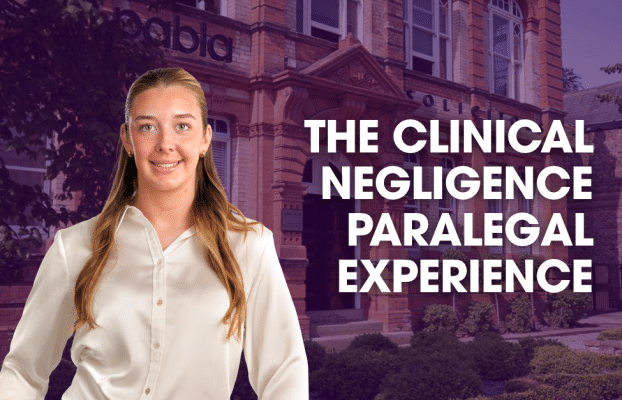
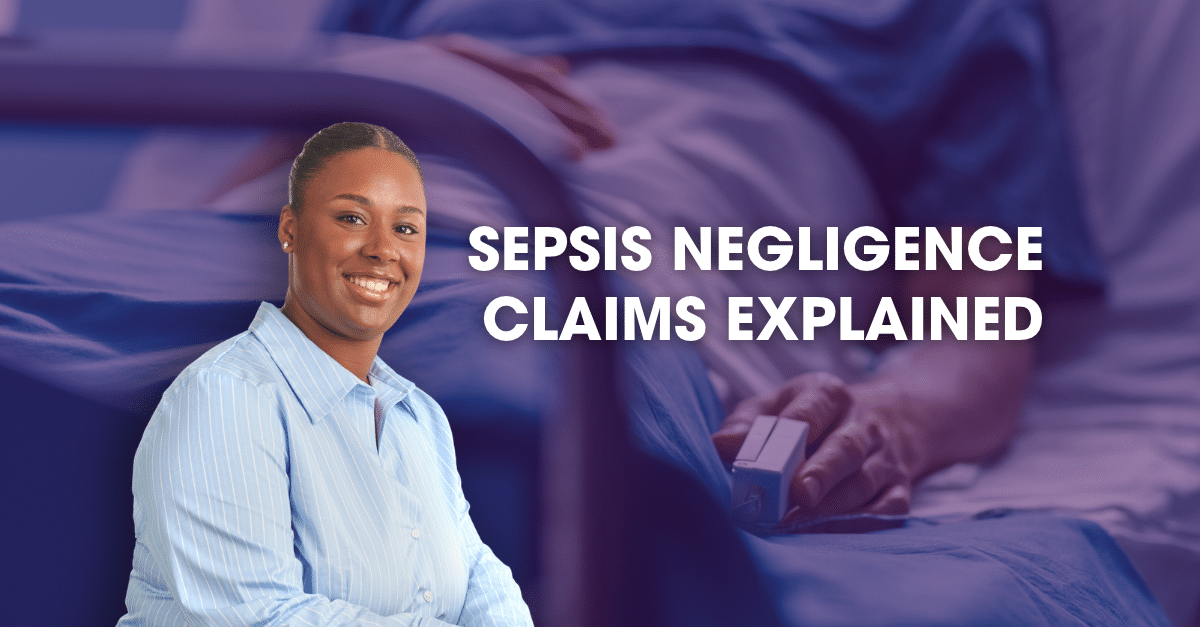

A relatively recent addition to our office, Iris Borges is a Paralegal in the Clinical Negligence department at Pabla + Pabla Solicitors. She has a Healthcare Management Degree and has worked in a number of different medical settings; residential care homes, EMI units, and women’s rehabilitation centres.
We are receiving an increasing number of enquiries via our website for Sepsis related claims, so asked Iris to use her background in care to write this explanatory article on Sepsis claims.
Sepsis is a terrible and life-threatening disease. It occurs when a person’s body extremely responds to a bacterial infection. Sepsis is very treatable if caught early. Left untreated, it can lead to septic shock, that can lead to catastrophic organ failure and even death.
According to The UK Sepsis Trust, there are about 48,000 sepsis related deaths in Britain every single year – roughly five deaths every hour. Tragically, many sepsis cases occur when people are already in care, and early warning signs are either misdiagnosed or outright missed.
Where misdiagnosis has occurred, or signs were missed and correct procedures were not followed, a medical negligence claim can be brought against the organisation responsible. This can’t undo the physical damage – but it can result in recognition for the harm caused and provide compensation to help with treatment costs and recognition.

What are the main symptoms of sepsis?
The early warning signs of sepsis are hard to miss but are often misdiagnosed and attributed to other illnesses. The clearest warning signs are:
- Clammy / sweaty skin
- Difficulty/ fast breathing
- Discolouration of the skin
- Drowsiness / general confusion
- Not eating / drinking properly
Most hospital and care environments are hyper vigilant for warning signs of sepsis. When I have worked in care homes previously, we would conduct “SS” checks on patients (Sepsis Susceptibility) whenever they showed signs of sepsis. Sometimes, patients would self-refer and report that they weren’t feeling well, so we would check them immediately. Sepsis can easily result in death, so when it goes unnoticed or misdiagnosed a major breach in duty of care has occurred.
Sepsis manifests differently from person to person and can vary widely depending on what exactly led to the infection in the first place. For example, someone developing sepsis from a respiratory infection might exhibit a shortness of breath first. Someone developing sepsis from a urinary tract infection might have trouble passing urine.
How do sepsis clinical negligence claims work?

Sepsis claims work in much the same way as any other clinical negligence claim. For example, let’s take a hypothetical residential nursing home. That nursing home has a legal “duty of care” over its residents. Now let’s say that a resident reports feeling unwell, but the staff don’t investigate properly and dismiss them. It might later turn out that the resident was developing sepsis – and it could have been caught early if the carer had investigated. If that patient comes to harm, then that nursing home has breached its duty of care. A claim can be made.
When you contact a law firm with details of a sepsis claim, we approach it in the same way we approach all claims. We take your details and version of events, and then begin painstakingly reconstructing the timeline of events.
We request medical records and evidence from all relevant parties, and start building up an objective picture of exactly what happened. We keep you in the loop throughout this, and review everything we can possibly gather. If we agree that negligence has occurred, we will let you know that we can your case on – and will agree to work on the file on a No Win, No Fee basis.
Why sepsis claims matter to me personally
As mentioned before, I studied Healthcare Management at University and have spent most of my career working in care environments. I have always liked Healthcare and was drawn to it for the same reasons that many people are – I want to help people.
When I studied, I had a very idealised way of looking at care work – but during my time actually working in the sector, I saw the realities of it. I came to understand that having the willingness and compassion to help others does not always mean having the capacity to do so. In healthcare, competing responsibilities and the demands of both caring and administrative roles can sometimes limit the time available to offer the level of support you would ideally like to provide. As healthcare professionals progress into more senior roles, their responsibilities often become increasingly administrative. This can sometimes limit the time they have available to apply their knowledge, skills and experience directly to supporting and improving patient care.
It may seem counterintuitive, but I have come to realise that sometimes, to make a greater impact within a particular field, you need to step back from the role itself. By developing a deeper understanding of the law and how it applies to healthcare, I hope to contribute to greater accountability across the sector and help promote consistently higher standards of care. In doing so, I feel I can make a more meaningful difference and support people in the way I had always hoped to.
I love healthcare, and what better way to service it that fighting for the rights of patients? I can make a difference here.