
Clinical Negligence Solicitor and Associate Partner at Pabla and Pabla, Kirsty Buckley, has successfully settled a dental claim after more than three years of unwavering and sustained effort. This claim was first brought to us by Ms B after she underwent seven highly questionable surgeries to treat a cyst in the roof of her mouth.
Now, with Kirsty successfully settling the case for £78,000, Ms B can begin to close the book on this upsetting and unfortunate chapter of her life.
What happened to Ms B?
During a routine dental appointment in 2014, Ms B’s dentist noticed something. A lump was forming in the roof of her mouth. Her dentist referred her to Homerton Hospital in Hackney, and encouraged her to get it checked out.
Worried, Ms B attended hospital and was seen to by the Maxillofacial department. They told her that a maxillary cyst had developed – a benign tumour in her upper palette that would require surgical removal. The tumour was removed successfully, along with one tooth, and Ms B thought that would be the end of it.
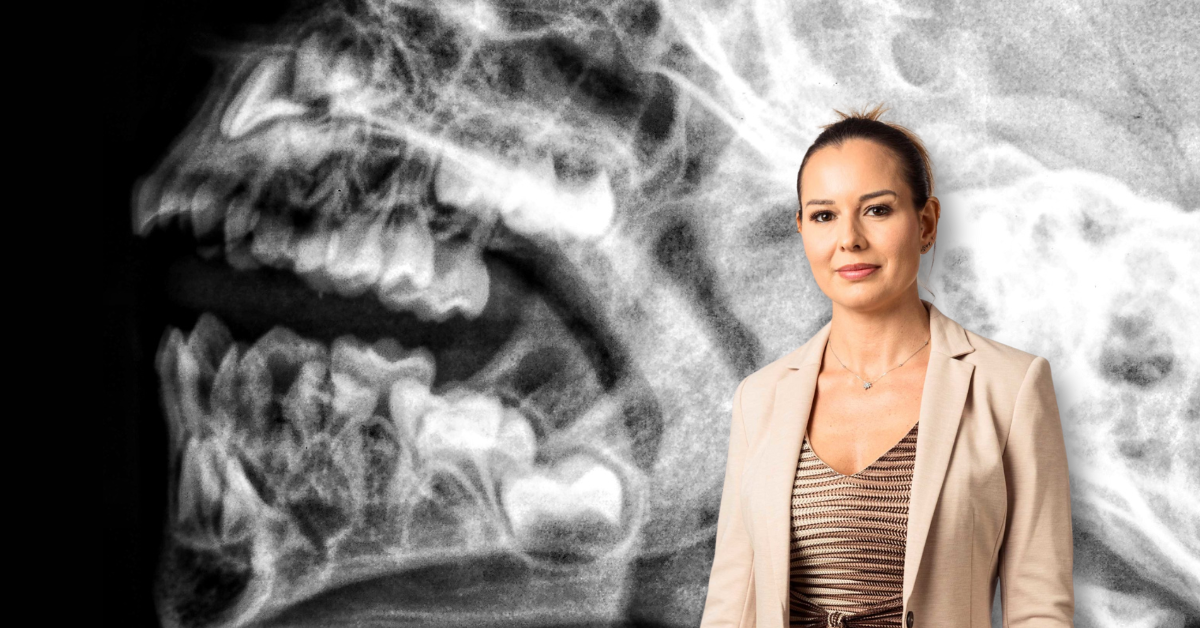
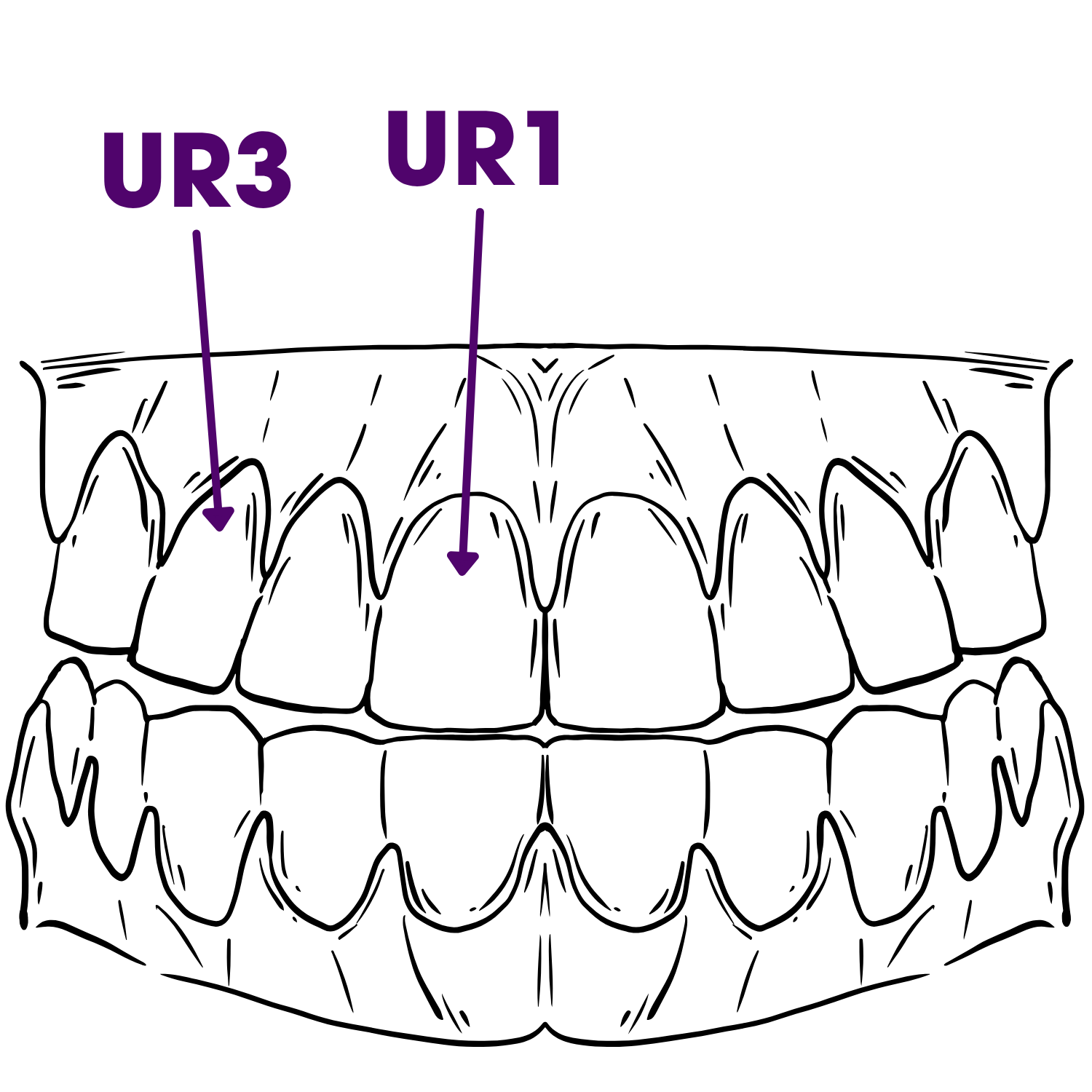
Fast forward to May 2015, and the cyst re-occurred. Things would not be so simple this time around. A Cone Beam Computed Tomography (a specialised X-Ray for the mouth) was conducted. The scan showed that the cyst was not only back, but had attached itself to two of her teeth – UR1 and UR3.
The hospital put together a treatment plan involving a second operation. This time, the cyst would have to be removed as well as UR1 and UR3. Two operations and three teeth in total. This, the medical theory suggests, would stop the cyst from re-occurring.
On the morning of Ms B’s second operation, she was told that the surgery would involve the re-removal of the cyst and both teeth. Ms B, having already lost one tooth in the first surgery, was hesitant. She requested that UR1, being one of her most prominent teeth, not be removed. Her surgeons agreed…but is this what they should have done?
Not removing the tooth, and why that matters
At face value, the surgeons simply complied with a request by Ms B not to remove her UR1. However, this was not as simple a decision as it might initially seem. Leaving the tooth in would drastically increase the likelihood of the cyst re-occurring. At no stage of the conversation was this fully explained to Ms B. The surgeons simply complied with her request. They removed the cyst and the UR3, but left UR1 in place.
This is critically important for a number of reasons. Clinical negligence can only be proven if three key elements align. Firstly, a medical professional must have a “duty of care” over a patient. Secondly, the medical professional must make a mistake that a “reasonably competent practitioner” in the same field would not have made. Thirdly, that mistake must directly link to unnecessary harm that the patient suffered as a result. You can find a more comprehensive explanation of this here.
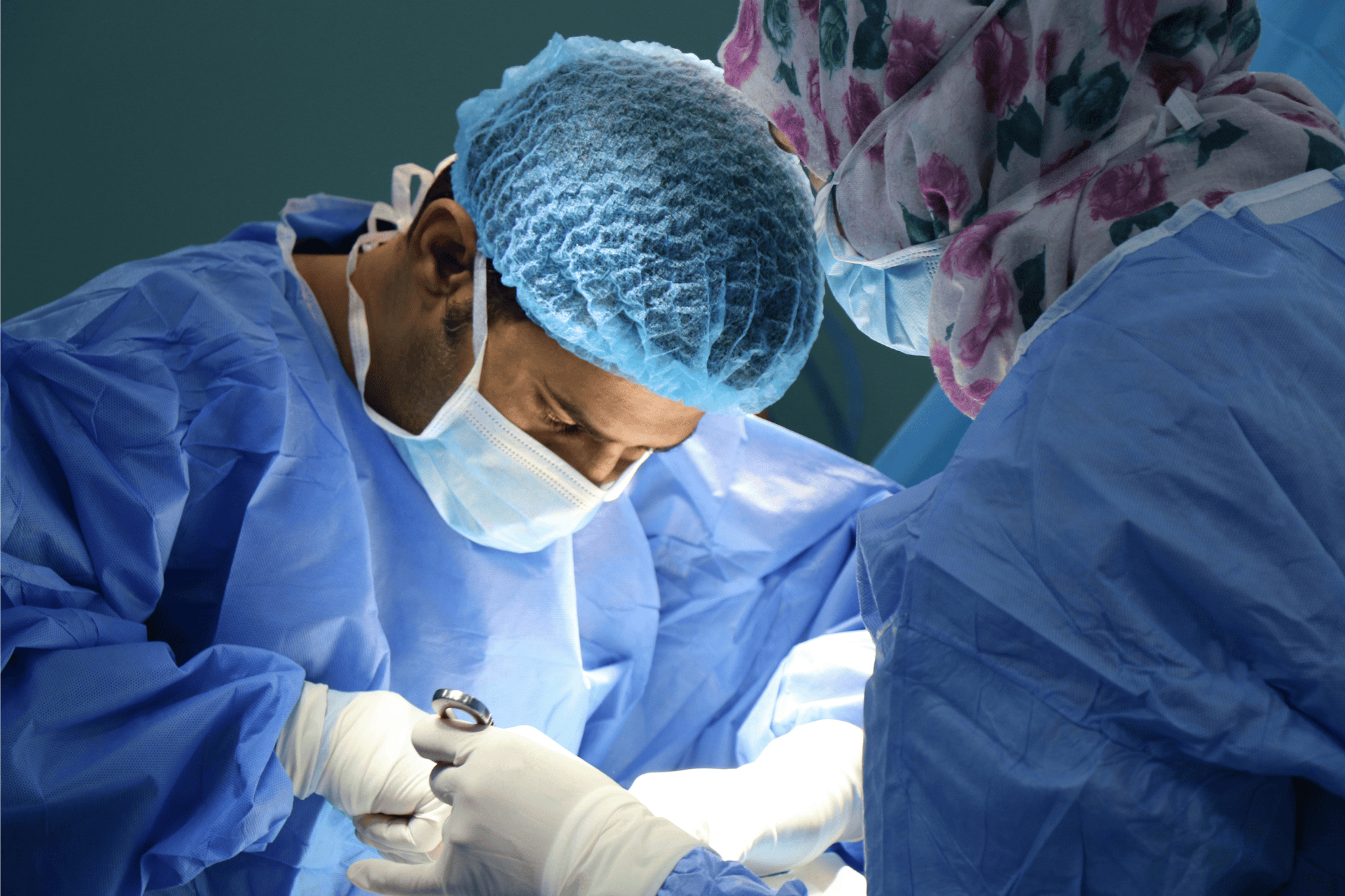
Ms B was not aware of the danger of leaving her UR1 in, as it was never explained to her. Therefore, she was unable to make a fully informed decision when asking the surgeons not to remove it. The surgeons simply complied with her requests without giving her the full picture: leaving the tooth in will drastically increase the risk of the cyst returning.
The surgeons who were operating on Ms B obviously had a duty of care towards her. That’s the first element. The second element is more complex, and subject to the question of whether a “reasonably competent practitioner” would have explained the medical risks of not removing the tooth. It could easily be argued to be a mistake. That leaves the third element – did Ms B suffer unnecessary harm as a direct result of that mistake?
Fast forward to August 2017, and Ms B’s cyst had re-occurred for a third time. This required two further operations. Fast forward again to September 2019, and the cyst had returned for a fourth time – this time so severely that more of Ms B’s teeth had to be removed. Fast forward a final time to April 2021, and the cyst was back again – necessitating a seventh surgery.
By this point, Ms B was living in a state of constant pain. The holes where her teeth used to be became infected. This led to a bone disease, which caused her to shed chunks of bone from her upper jaw. Visits to her dentist and her GP became frequent. The pain was constant and immense, meaning she had to take pain killers four times a day just to cope with day-to-day life.
Had the implications of not removing UR1 been fully explained to Ms B on the morning of her 2015 operation, then the subsequent re-occurrence of the cyst would not have happened. Further surgeries would not have been necessitated, and she would still have her teeth.
What Pabla & Pabla did about it
 In March 2022, we spoke with Ms B for the first time. Understandably, she was incredibly dissatisfied with the multiple surgeries she had received – none of which had stopped the cyst from coming back. She wished to pursue a Clinical Negligence claim. We took some details, and agreed to represent her under a no win, no fee agreement.
Kirsty began the long process of retrieving Ms B’s medical records. She performed an initial review of them, before passing them on to a consultant medical expert. The consultant’s view was that the duty of care had indeed been breached. Kirsty arranged a meeting with the medical expert and Ms B. The three of them discussed Ms B’s medical records, the consultant’s findings, and agreed the basis of their argument moving forwards. They agreed that had UR1 been removed in 2015 then the cyst likely wouldn’t have re-emerged. Further surgeries, and suffering, could have been avoided. It was time to start the claim process.
Kirsty sent a letter of claim to the defendant in March 2023. In it, Kirsty laid out her legal arguments. She referred to the consultant medical expert’s findings. She explained that Ms B’s quality of life had suffered a great deal, and that she had clearly been wronged. Then she awaited a response. This would take some time.
Unfortunately, Ms B’s cyst re-emerged yet again. In May 2023 it was removed for an eighth time – along with all of her remaining upper teeth. Unable to chew, Ms B adopted a largely liquid diet. With no upper teeth left to “hold onto” she could no longer wear dentures. She stopped leaving the house as frequently, and would only do so when wearing a facemask. She stopped seeing her grandchildren as frequently, and her mental health understandably declined. She was suffering a great deal, and something had to be done.
In July 2023, the defendant finally responded. They accepted that the re-occurrences shouldn’t have happened – but denied that the 2015 operation was carried out to an unreasonable standard on their part. Their argument, in essence, was that as Ms B requested her UR1 not be removed the fault lay with her. Ms B was disappointed with their response, but instructed Kirsty to keep fighting. Kirsty was happy to.
How the case settled
Kirsty began to assemble more evidence to support the claim. She arranged for the consultant medical expert to prepare a “Condition and Prognosis” report on Ms B. She arranged for an MRI scan to more accurately assess Ms B’s mouth. She arranged a visit with a psychiatrist to assess the mental impact of the repeat surgeries, loss of teeth, and bone disease. She consulted with a barrister to prepare a Schedule of Loss, and breakdown the present and future financial impact to Ms B.
Kirsty’s belief was that the defendants had no prospect of success. With so much evidence mounting against them, she was certain she could obtain a good outcome for Ms B. She collated all of the new evidence, and invited the defendants to a Joint Settlement Meeting where they could hopefully find a compromise. They refused.
A back and forth of offers and counter offers took place over the next few weeks, with both sides slowly coming to an amicable middle ground. On the 20th June 2025, the defendants accepted a settlement offer of £78,000.
It had been a long road to justice for Ms B. When her dentist had first noticed the cyst nine years prior, she had no way of knowing how life altering it would become. Over the course of the claim, Kirsty and Ms B had become very familiar with each other. In cases like this, it’s easy to focus solely on the black and white legal aspects. What is harder to gauge is the emotional toll it can take on someone.
Throughout the entire process, Kirsty kept Ms B informed of how her case was progressing. She made sure that Ms B knew she could reach out at any time. They spoke a lot over the phone. When the case finally settled, Ms B sent a card and flowers to the Pabla & Pabla offices – thanking the entire Clinical Negligence department. We were honoured to receive them.
“From my first phone call with Pabla and Pabla, I knew I made the right decision. Kirsty Buckley guided me from start to finish. Nothing was ever too much for Kirsty, any questions I had she was right there. Professional, very understanding, and patient. It was a long road but Kirsty got us there in the end. Thank you Kirsty and the great team at Pabla and Pabla”
– Ms B
Begin your Clinical Negligence claim
We are always happy to receive new enquiries from victims of Clinical Negligence. If you believe that you have suffered unnecessarily at the hands of a medical professional, then get in touch via our contact form!More reading on Clinical Negligence:





Pablas now accepting Ms Stohr Medical Negligence Claims
October 22, 2025Author Karen Booth View all posts